No recommendation pinned yet, leave a comment to show your support for the show!
Snoring is a biomechanical issue. When the muscles in the throat relax during sleep, the airway narrows. As oxygen forces its way through this constricted passage, the surrounding soft tissues vibrate. The resulting sound disrupts sleep architecture, fragments restorative rest, and often forces partners into separate bedrooms. Finding a functional, non-invasive intervention is a priority for millions of households.
Enter SnoreRx, an anti-snoring mouthpiece that claims to halt this nocturnal disruption at the source. Engineered and manufactured in the United States, this device has secured FDA clearance and boasts a user base exceeding one million individuals. The manufacturer presents compelling data, and many users report immediate cessation of their snoring symptoms.
However, a thorough investigation requires examining the entire spectrum of user data. While success stories dominate the product’s official literature, a subset of users report dissatisfaction, leaving 1-star reviews documenting their struggles. As a researcher focused on evidence and outcomes, I find these negative data points highly instructive. They reveal the practical limitations of the device and highlight the specific physiological or user-error variables that lead to failure.
Before we examine the mechanics of these negative experiences, you can review the product specifications and current availability directly from the manufacturer. Check SnoreRx pricing and availability here.
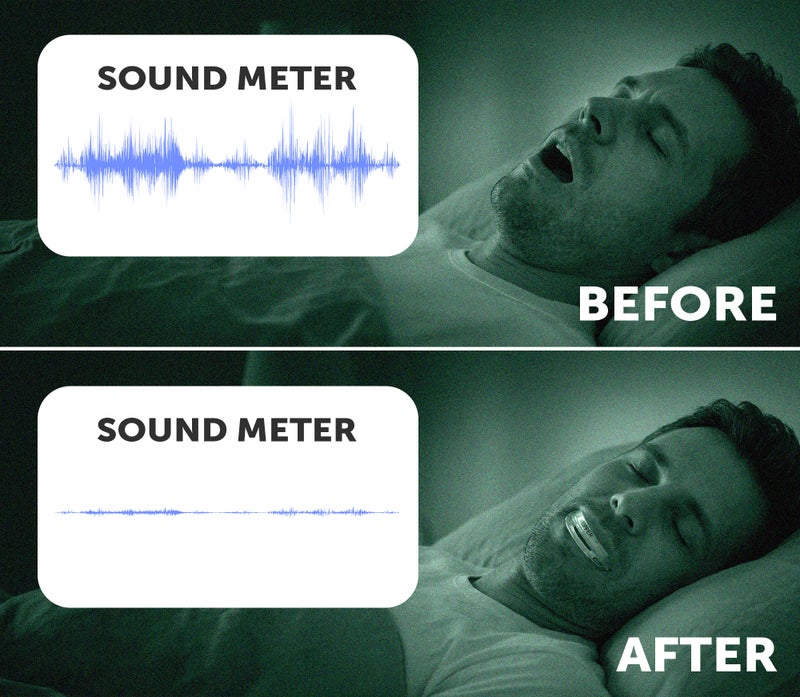
To comprehend why a device fails for some, we must first understand how it is designed to succeed. SnoreRx operates on a well-established dental principle known as mandibular advancement. It belongs to a category of interventions called Mandibular Advancement Devices (MADs).
The mechanism of action is straightforward but precise. By gently holding the lower jaw (mandible) in a slightly forward position during sleep, the device prevents the base of the tongue from collapsing against the back of the throat. This mechanical stabilization keeps the airway open, eliminating the soft tissue vibration that produces the snoring sound.
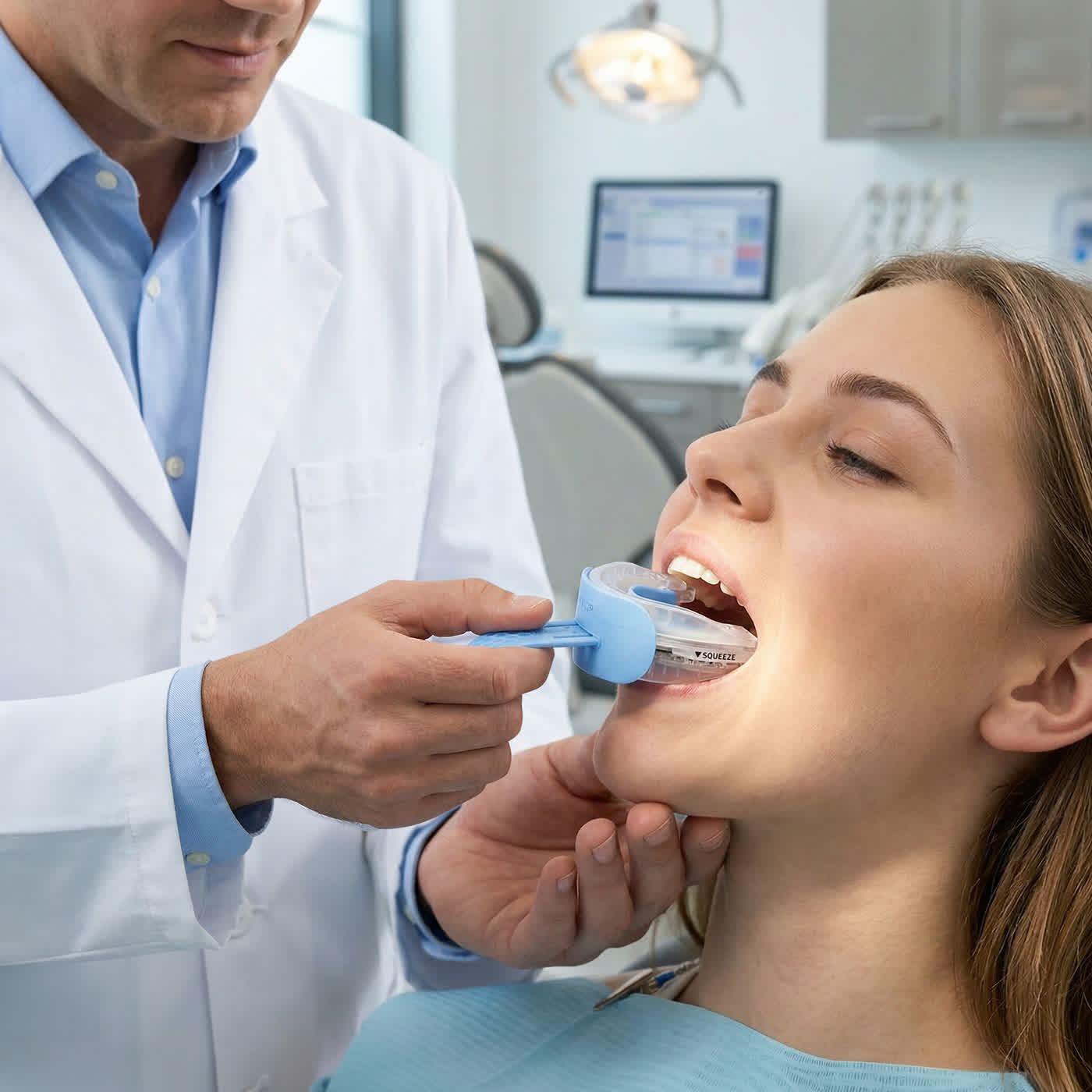
Unlike rudimentary, one-size-fits-all mouthguards, SnoreRx utilizes a proprietary "Thermal Matrix" material. This allows for a boil-and-bite fitting process, enabling the user to take a custom dental impression at home. Furthermore, the device features a micro-adjustment mechanism. Users can advance or retract the lower tray in one-millimeter increments to find the exact position that opens their airway without overextending the jaw joint.
This level of clinical precision makes the device highly effective for individuals suffering from mild to moderate snoring caused by tissue vibration. However, it is fundamentally incompatible with certain anatomies. Individuals with severe dental issues, missing teeth, or diagnosed central sleep apnea are not suitable candidates for this specific intervention.
Explore how the micro-adjustment technology works for your specific anatomy.
When analyzing a large dataset of consumer feedback, patterns inevitably emerge. In the case of SnoreRx, the 1-star complaints generally cluster into three distinct categories: initial physical discomfort, errors during the customization process, and unmet expectations regarding immediate adaptation.
Let us isolate and examine these variables.
The most frequent negative data point relates to jaw soreness and tooth discomfort. Users report waking up with an aching temporomandibular joint (TMJ) or feeling as though their teeth have been shifted. This reaction is entirely predictable from a biomechanical standpoint. The muscles and ligaments of the jaw have spent decades resting in one specific position. Forcing them to hold a new, forward posture for eight consecutive hours places stress on these tissues.
The second pattern of failure occurs during the boil-and-bite molding phase. SnoreRx requires the user to submerge the device in boiling water for a precise duration, then bite into the Thermal Matrix material to create an exact impression of their dental arch. Negative reviews frequently describe the device feeling too bulky, failing to stay in place during the night, or molding unevenly. When the thermal impression is rushed or executed at the incorrect temperature, the resulting fit will be compromised, leading directly to the device falling out during sleep.
A noticeable subset of 1-star reviews are written after a single night of use. These users report that they could not fall asleep with a foreign object in their mouth and subsequently abandoned the intervention. This highlights a critical gap between consumer expectations and physiological reality.
Evaluating these failure points requires placing them in their proper clinical context. The manufacturer's documentation, alongside long-term user reports, provides a framework for understanding and mitigating these common complaints.
The jaw soreness reported in the initial days of use is analogous to muscle fatigue experienced after a new physical workout. It is a temporary physiological adaptation. Successful users consistently note that it takes an average of three to seven days for the jaw muscles to acclimate to the new resting position. The micro-adjustment feature is specifically designed to manage this phase. Users are advised to begin at the lowest setting (one millimeter of advancement) and gradually increase the distance only if snoring persists. Many 1-star complaints originate from users immediately advancing the device to its maximum setting, thereby inducing unnecessary strain.
Regarding the molding process, precision is paramount. If the initial fit is poor, the device will feel intolerably bulky. The Thermal Matrix material is designed to be remolded multiple times. If the first attempt yields a loose or uncomfortable fit, the user has the capacity to reset the material and try again.
To lower the barrier to entry and mitigate the financial risk of this adaptation period, the manufacturer provides a 30-day money-back guarantee. This policy aligns with the necessary 3-to-7-day physiological adjustment timeline, allowing users to test their tolerance based on empirical observation rather than assumption.
Learn more about the 30-day money-back guarantee.
While isolating negative data is crucial for a complete risk assessment, it represents only a fraction of the total user baseline. When we zoom out to evaluate the broader spectrum of data, the efficacy of the mandibular advancement principle becomes evident.
A vast majority of the million-plus user base reports a complete cessation of snoring volume. Verified data points indicate rapid improvements in sleep quality scores (often measured by third-party audio recording applications) upon the very first night of proper use. Partners frequently corroborate these results, reporting a return to quiet, undisturbed sleeping environments.
This divergence in user outcomes underscores a fundamental truth about biomedical interventions: individual physiology dictates success. A perfectly manufactured device will still fail if applied to an incompatible anatomical structure. The difference between a 1-star review and a 5-star review often hinges not on product quality, but on user compliance, patience during the adaptation window, and baseline anatomical suitability.
Synthesizing the available evidence allows us to establish clear parameters for potential success. SnoreRx is a high-grade, FDA-cleared device utilizing proven clinical mechanics. It offers the precision of a custom dental appliance without the prohibitive financial expenditure associated with laboratory-molded alternatives.
If you are evaluating this intervention for your own household, consider the following evidence-based parameters:
Are you prepared for the adaptation phase? You must commit to a 3-to-7-day adjustment period where jaw soreness is highly probable.
Can you follow technical instructions? The boil-and-bite process requires careful timing and attention to detail to achieve a secure fit.
Is your snoring caused by soft tissue collapse? If your snoring originates from severe nasal blockages or diagnosed neurological sleep conditions, a mandibular device will not address the root cause.
If your symptom profile aligns with the device's mechanism of action, the probability of a positive outcome is statistically high, provided you follow the onboarding protocols.
Determine if SnoreRx is the right intervention for your sleep profile.
An objective analysis of SnoreRx reveals a highly functional tool designed to solve a specific mechanical problem. The 1-star complaints do matter—they provide an accurate roadmap of the hurdles new users will face. Discomfort during the initial days is real, the fitting process requires care, and the device demands a baseline level of user patience.
However, these negative data points do not invalidate the underlying technology. Mandibular advancement remains one of the most effective, non-surgical methods for opening a collapsed airway. By managing your expectations, carefully utilizing the micro-adjustment features, and allowing your physiology time to adapt, the disruption of chronic snoring can be successfully mitigated.
Ready to test the evidence yourself? Secure your SnoreRx device today.